


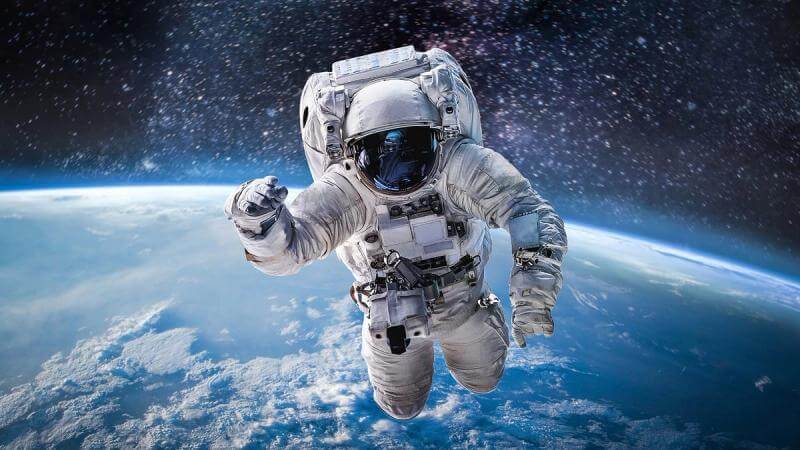

Space has fascinated humanity for centuries. From ancient civilizations gazing at the stars to modern scientists launching advanced spacecraft, the desire to understand the universe has never faded. It represents mystery, possibility, and an endless frontier waiting to be explored.
At the same time, space exploration brings both excitement and challenges. While it fuels technological breakthroughs and inspires generations, it also demands enormous investments, international cooperation, and solutions to complex problems. The story of space is filled with positive achievements and difficult realities, making it one of the most compelling subjects of our time.
Quick Bio
| Category | Details |
|---|---|
| Main Keyword | Space |
| Topic Focus | Space Exploration and Modern Space Industry |
| Content Type | Informative SEO Article |
| Language | English |
| Audience | Students, Researchers, Space Enthusiasts, General Readers |
| Reading Time | Approximately 8–10 Minutes |
Understanding What Space Really Is
Space begins where Earth’s atmosphere gradually fades into the cosmic environment beyond our planet. It is not simply an empty vacuum. Instead, it contains planets, stars, galaxies, asteroids, dust particles, radiation, and mysterious phenomena that scientists continue to investigate. The universe stretches across unimaginable distances, making our planet appear like a tiny island floating in an endless cosmic ocean.
Our understanding of space has evolved dramatically. What was once considered unreachable is now explored using satellites, telescopes, robotic probes, and human missions. Every discovery reshapes our understanding of existence and highlights how interconnected humanity truly is within the larger universe.
The History of Space Exploration
Human curiosity about the heavens predates modern science. Ancient astronomers tracked planetary movements and created calendars based on celestial observations. Their fascination laid the foundation for future discoveries.
The twentieth century transformed dreams into reality. The Space Race accelerated technological innovation as nations competed to achieve milestones beyond Earth. Human spaceflight, lunar landings, and satellite deployments demonstrated that imagination combined with determination could accomplish extraordinary goals. These achievements continue to inspire today’s ambitious missions.
Modern Space Exploration
Today’s space exploration landscape looks very different from previous generations. Government agencies remain major contributors to scientific advancement, but private companies now play a transformative role in expanding access to orbit and beyond.
Reusable rocket technology, satellite constellations, and commercial partnerships have significantly reduced launch costs. The result is an increasingly dynamic industry where innovation moves faster than ever before. Students, entrepreneurs, engineers, and researchers now find unprecedented opportunities within the space sector.
Why Space Exploration Matters
Some people question why humanity invests in space when challenges exist on Earth. The answer lies in the practical and inspirational benefits generated through exploration.
Space technologies influence everyday life. Satellite communications support internet connectivity, navigation systems guide transportation, and Earth observation improves weather forecasting and disaster response. Scientific discoveries also deepen our understanding of climate patterns, planetary evolution, and the origins of life itself.
Beyond practical applications, space inspires ambition. It encourages societies to think beyond immediate limitations and pursue solutions once considered impossible.
The Growing Space Economy
The space economy has become one of the fastest-growing sectors worldwide. Recent industry reports estimate the global space economy exceeded $600 billion, with analysts projecting it could approach $1.8 trillion by 2035. Commercial services increasingly drive this growth through satellite communications, Earth observation, and data-driven applications.
| Space Economy Trends | Current Insights |
| Global Space Economy | Over $600 Billion |
| Growth Outlook | Approximately $1.8 Trillion by 2035 |
| Major Drivers | Satellites, Communications, Data Services |
| Opportunities | Launch Services, Research, Manufacturing |
This expansion creates jobs, investment opportunities, and technological breakthroughs. The commercialization of space signals a shift from exclusive government control toward broader participation from businesses and innovators worldwide.
Challenges Facing Space Exploration
Despite remarkable progress, significant obstacles remain. Space missions require substantial financial resources, years of preparation, and rigorous safety measures. A single failure can delay programs and impact public confidence.
Another pressing concern involves space debris. Thousands of inactive satellites and fragments orbit Earth, increasing collision risks for operational spacecraft. International collaboration and responsible policies will be essential to maintaining a sustainable environment beyond our atmosphere.
Ethical considerations also emerge as commercial interests expand. Questions surrounding resource ownership, equitable access, and long-term governance demand thoughtful discussion before humanity ventures deeper into the cosmos.
The Future of Space
The future of space exploration promises extraordinary possibilities. Upcoming lunar initiatives aim to establish sustainable human presence near the Moon. These missions may serve as testing grounds for technologies required for deeper exploration.
Mars continues to capture global imagination. Scientists hope future missions will search for signs of past life, study planetary environments, and evaluate long-term habitability. Advanced robotics, artificial intelligence, and international cooperation could transform what once seemed like science fiction into reality.
Space tourism, orbital manufacturing, and asteroid resource utilization represent additional frontiers. While these ambitions present challenges, they also reveal humanity’s relentless drive to innovate and explore.
Conclusion
Space represents far more than distant stars and mysterious galaxies. It reflects humanity’s courage to ask difficult questions and pursue ambitious dreams despite uncertainty. The journey into the cosmos has already transformed life on Earth through technological innovation, scientific knowledge, and global inspiration.
As exploration accelerates and commercial opportunities expand, the decisions made today will shape the future of generations to come. Whether through groundbreaking discoveries, economic development, or educational inspiration, space remains one of humanity’s greatest adventures. The universe still holds countless secrets, and our story within it has only just begun.
Frequently Asked Questions
1. Why is space exploration important?
Space exploration advances scientific knowledge, drives technological innovation, improves daily life through satellite applications, and inspires future generations.
2. How big is the global space economy?
Current estimates place the global space economy above $600 billion, with projections suggesting substantial growth in the coming decades.
3. What are the biggest challenges in space exploration?
Major challenges include high costs, safety concerns, space debris management, and developing international regulations.
4. Can humans live on other planets?
Scientists continue researching long-term habitation possibilities, particularly concerning the Moon and Mars, although significant technological hurdles remain.
5. How does space affect everyday life?
Space technologies support GPS navigation, communication systems, weather forecasting, environmental monitoring, and disaster management services.